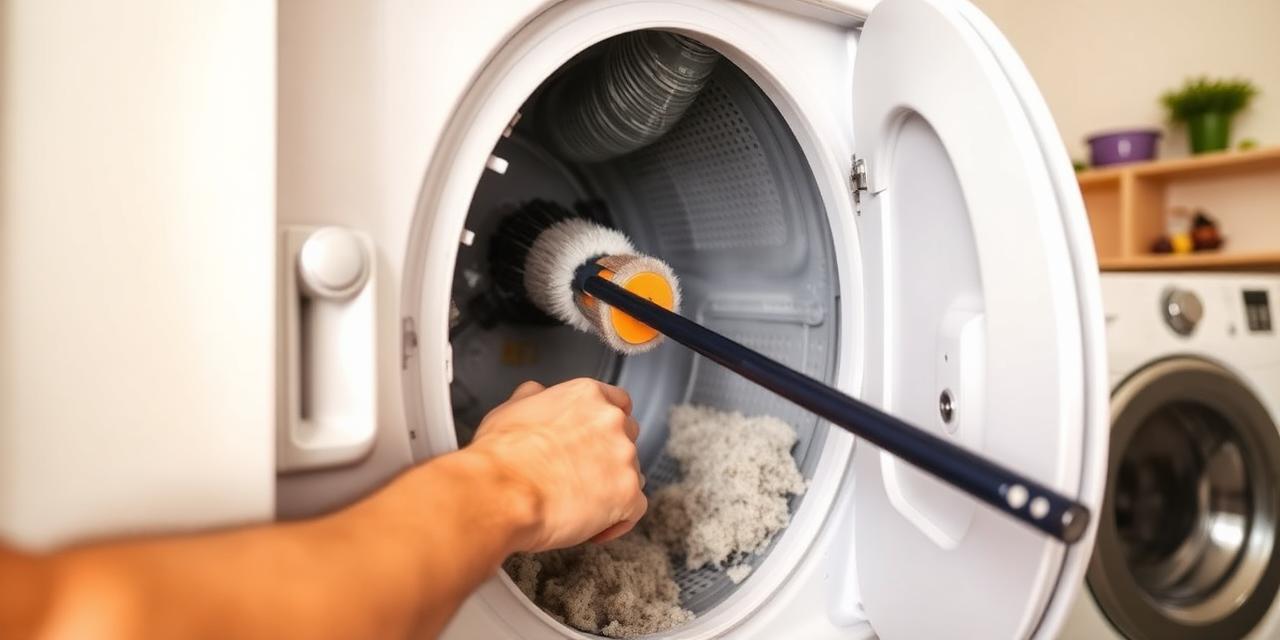
Approximately 2,900 home fires every year in the United States are caused by clothes dryers. The single leading cause? Failure to clean the dryer vent. The NFPA reports five deaths, 100 injuries, and $35 million in property damage annually from these completely preventable fires. After cleaning dryer vents in East Texas for over a decade, we want every Longview homeowner to understand this risk and how to eliminate it.
How Dryer Vent Fires Actually Start
Most homeowners think 'lint trap = full cleaning,' but the lint trap only captures a fraction of the lint your dryer generates. The rest travels through the vent line on its way to the exterior exhaust hood. Over time, lint accumulates inside the vent line — especially at elbows, transitions, and any restrictive sections. As accumulation increases, airflow decreases. As airflow decreases, drying times increase. As drying times increase, the dryer runs hotter and longer.
Eventually, accumulated lint reaches a critical mass. A spark from the dryer heating element, a friction-heated bearing, or even radiant heat from extended runtime can ignite the lint, which acts as nearly perfect kindling. The fire travels backward through the vent line toward the dryer, then into the laundry room. In the worst cases, attic-routed vents allow the fire to reach the attic before the homeowner is even aware.
Warning Signs Your Vent Is Dangerously Clogged
Clogged vents almost always give warning signs before becoming dangerous. Watch for: clothes taking two or more cycles to dry completely; the outside of the dryer becoming unusually hot during operation; a burning smell when the dryer is running; visible lint accumulating around the dryer or outside the exterior vent hood; the laundry room feeling humid or stuffy after a drying cycle; the dryer automatically shutting off before the cycle completes (thermal limit switch triggering); and the exterior vent flapper not opening fully when the dryer runs.
Any single sign warrants a cleaning. Multiple signs warrant an immediate cleaning — don't run the dryer until it's done.
Why East Texas Has Higher Risk Than Average
Several factors make dryer vent fires more common in East Texas than the national average. Many Longview homes have long vent runs — 25 feet or more from dryer to exterior, often through unconditioned crawlspaces or attics. These long runs accumulate lint faster than short, straight runs. High summer humidity makes lint slightly damp and sticky, which causes it to adhere to vent walls instead of blowing through to the exterior. Older homes often have original vent installations using flexible plastic or thin foil tubing — both of which are now considered fire hazards and should be replaced with rigid metal.
Our typical East Texas dryer vent cleaning removes 2-3 pounds of accumulated lint. Some homes — especially older ones with long runs and pets — produce 5+ pounds. That much fuel in your wall is a fire waiting to happen.
How Often to Clean Your Dryer Vent
Standard NFPA recommendation is annual cleaning for typical households. Increase frequency for: households with pets (more lint, faster accumulation); households doing 4+ loads of laundry per week; long vent runs (25+ feet) or runs with multiple elbows; older homes with original flex tubing rather than rigid metal; and any household that has noticed warning signs.
Many of our Longview customers schedule annual dryer vent cleaning along with their HVAC system tune-up — same day, same visit, easy to remember.
What Professional Cleaning Actually Removes
Our complete dryer vent cleaning addresses the entire system: disconnect dryer and clean the transition hose; brush and vacuum the dryer's internal lint chute (not the trap itself, but the recess behind it); rotating brush through the full vent line using flexible drive shafts; vacuum capture of all dislodged lint via high-CFM machines; cleaning and inspection of exterior vent hood; replacement of damaged vent hood flapper covers; verification of proper airflow by running the dryer; before/after documentation photos; and inspection report identifying any vent line issues requiring repair.
DIY Limitations
Some homeowners try to handle dryer vent cleaning themselves with a kit from the hardware store. Limited DIY cleaning is better than nothing, but it has serious limitations. Consumer-grade brushes only reach the first few feet of the vent line. Most lint accumulation is deeper in the system — at elbows, transitions, and the exterior termination. Without high-CFM vacuum capture, dislodged lint often just relocates rather than being removed. And homeowners can't safely inspect attic-routed or roof-terminated vents.
DIY annual maintenance with professional cleaning every 1-2 years is a reasonable approach for typical homes. Households with risk factors should rely on professional cleaning entirely.
What Cleaning Costs in Longview
Standard dryer vent cleaning runs $99-149 depending on vent length, accessibility, and termination point. Roof-terminated vents are at the upper end due to ladder work. Most ground-level sidewall vents are $129. Bundled pricing applies when scheduled with whole-home duct cleaning — typically $79 instead of $129 as an add-on.
Don't Wait Until Something Goes Wrong
Dryer fires are completely preventable with regular cleaning. The cost of an annual cleaning is trivial compared to the cost of a house fire — and the human cost of injuries or deaths can't be measured. If your Longview home hasn't had a professional dryer vent cleaning in the past 12 months, schedule one now. Call (903) 555-0300 — we can usually be there within a week, and most cleanings take under an hour.
Ready to schedule?
Call now for honest pricing and same-week service across East Texas.
Call (903) 555-0300