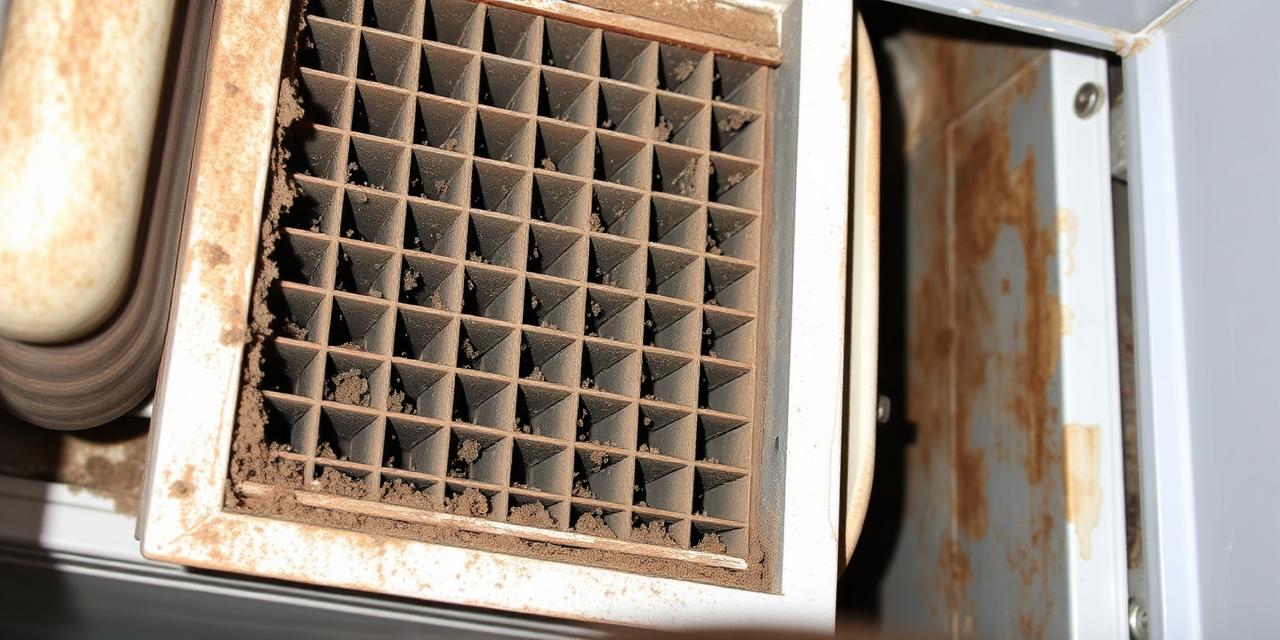
Your air conditioner's evaporator coil is the most important component you've never thought about. It's the part that actually pulls heat and humidity out of your air — and when it's dirty, your entire HVAC system suffers. After more than a decade of cleaning East Texas coils, we want every Longview homeowner to understand why coil cleaning is one of the highest-value maintenance investments you can make.
What an Evaporator Coil Does
When your AC runs, cold refrigerant circulates through the evaporator coil — typically located inside the indoor air handler. Warm indoor air blows across the coil; the refrigerant absorbs the heat (cooling the air) and absorbs moisture (dehumidifying the air). The cool, dry air then circulates through your duct system back to your rooms. The coil is literally where cooling happens.
Because the coil is wet (from condensation) and dust-coated air constantly passes across it, the coil becomes a magnet for accumulation. Dust adheres to the wet aluminum fins, forms a sticky biofilm, attracts mold and bacteria growth, and progressively reduces heat transfer efficiency.
What Dirty Coils Cost You
The U.S. Department of Energy reports that a 0.042-inch layer of dust on an evaporator coil reduces efficiency by 21%. That number seems small until you realize most East Texas coils we open have accumulated far more than 0.042 inches over the years. We routinely find coils with 1/4 to 1/2 inch of caked dust, mold, and biofilm — losing 40% or more of their original cooling capacity.
Practical impact: your system runs longer to hit the same temperature. Longer runtime means higher electric bills. Higher refrigerant pressures mean more strain on the compressor (the most expensive component to replace). Reduced dehumidification means higher indoor humidity, which feels less comfortable and encourages mold growth. Eventually, the coil becomes so dirty that the system can't maintain set temperature on hot days.
For a Longview home running AC 6 months a year with a $300/month summer electric bill, even a 15% efficiency loss is roughly $270 per year in wasted energy. Compounded over 5-7 years, you've literally paid for a new HVAC system in wasted electricity.
How Dirty Coils Affect Indoor Air Quality
Beyond efficiency, dirty coils directly harm indoor air quality. The biofilm that develops on coil surfaces becomes a breeding ground for mold, bacteria, and yeast. Every time the AC runs, those microbes shed spores and metabolic byproducts into the air supply. Many 'unexplained' household odors, persistent allergy symptoms, and respiratory complaints trace directly to contaminated evaporator coils.
If your AC produces a distinctive 'wet dog' or musty smell within 30 seconds of starting, especially after being off for several hours, your coil is almost certainly contaminated.
What Professional Coil Cleaning Involves
Proper coil cleaning is more involved than spraying it down. Our process: power down and lock out the HVAC system; remove the air handler access panel and inspect coil condition; protect surrounding electrical components with plastic sheeting; apply EPA-registered foaming coil cleaner specifically designed for evaporator coils; allow appropriate dwell time for the cleaner to break down biofilm and accumulated dust; rinse with low-pressure water (high pressure damages aluminum fins); wet-vac removal of all rinse water and dislodged debris; sanitize the drain pan and verify free condensate flow; comb out any bent fins; reinstall access panel and verify proper operation.
The entire process takes 60-90 minutes for typical residential coils. Many systems benefit from a second cleaner application for heavily contaminated coils.
When Coils Need Cleaning
Coils should be cleaned every 3-5 years in average homes. Reduce that interval to every 2-3 years for: homes with pets; homes with smokers; homes in dusty areas (gravel roads, agricultural drift, construction nearby); homes with high humidity issues; and homes where AC runs heavily (almost all of East Texas qualifies).
Warning signs that immediate cleaning is needed: musty smell when AC starts; visible mold or staining around the air handler; AC struggling to cool on hot days; higher than expected electric bills; visible condensation or water on the air handler exterior; and AC short-cycling (turning on and off frequently).
Coil Cleaning vs Coil Replacement
Most coils can be cleaned and restored. Some — those with severely bent fins, refrigerant leaks, or corrosion — need replacement. We always assess coil condition before cleaning and provide an honest recommendation. Cleaning runs $150-250 typically. Coil replacement runs $1,500-3,000 depending on size and accessibility. We'll never recommend replacement of a coil that can be successfully cleaned.
Why This Pairs With Duct Cleaning
Most professional duct cleaning packages don't include coil cleaning — and many 'duct cleaning' companies don't even attempt it. We strongly recommend pairing coil cleaning with whole-home duct cleaning. The reasons: same access (we're already at your air handler); related root causes (coil contamination shares causes with duct contamination); maximum efficiency gain (combined effect of clean ducts plus clean coils is meaningful); and bundled pricing typically saves $50-75 vs separate visits.
Bundled Pricing and Schedule
Standalone coil cleaning runs $150-250. Bundled with whole-home duct cleaning, coil cleaning is $99 — a significant savings. Call (903) 555-0300 to schedule, or to ask whether your specific system situation warrants coil work. We'll give you straight answers and honest pricing.
Ready to schedule?
Call now for honest pricing and same-week service across East Texas.
Call (903) 555-0300