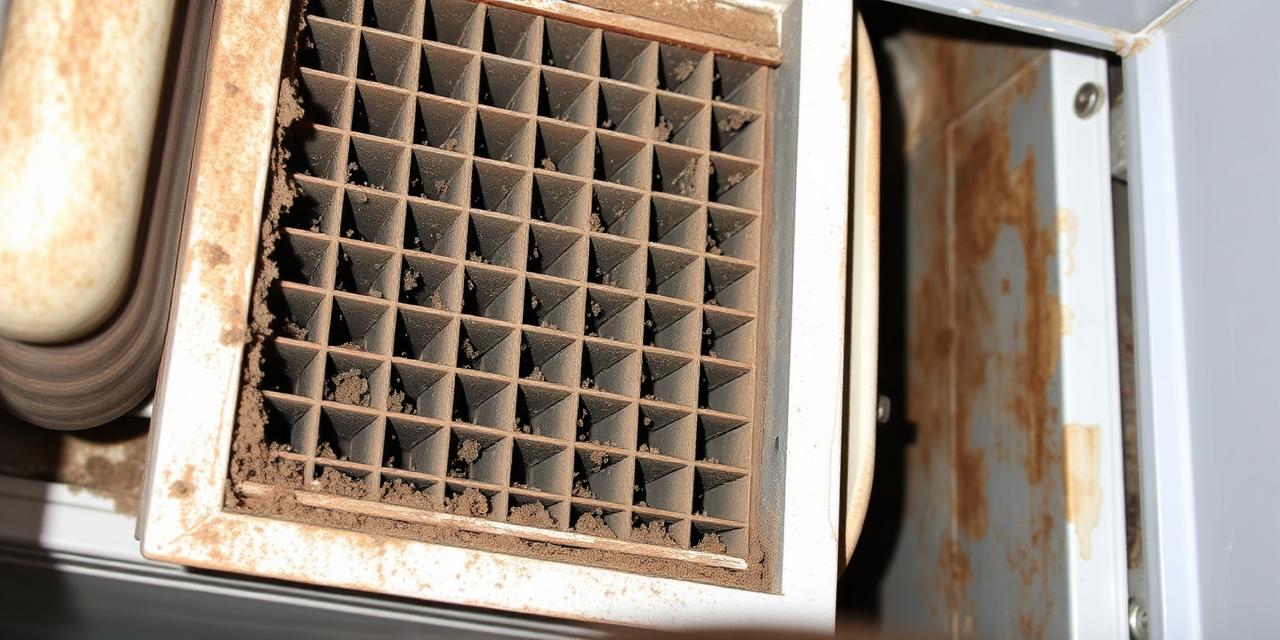
Mold growth inside HVAC ductwork is one of the most common — and most underdiagnosed — indoor air quality problems we encounter in East Texas homes. Longview's brutal summer humidity creates almost ideal conditions for mold inside cool, dust-coated duct interiors. If you've ever wondered whether your musty smell, persistent allergies, or unexplained respiratory issues might be HVAC mold, this complete guide is for you.
Why East Texas Ductwork Grows Mold
Mold needs three things to grow: moisture, food, and a surface. Your duct system provides all three in abundance during East Texas summers. Moisture comes from the temperature differential between cool conditioned air and warm humid duct surfaces — condensation forms and persists. Food comes from accumulated dust, which is largely organic material (skin cells, pet dander, pollen, fiber particles). Surface comes from the metal and fiberglass interior of your ducts.
Longview averages 80-90% summer humidity from June through September. Your HVAC system runs almost continuously to fight that humidity, which means cold supply ducts and warm return ducts coexist for thousands of hours per year. This is the perfect mold environment, and almost every East Texas home develops some level of HVAC mold over time.
How to Identify HVAC Mold
The most reliable signs include: a distinctive musty or earthy smell when your HVAC kicks on, especially after the system has been off for several hours; visible black, green, or pinkish staining around supply vent registers or return grilles; unexplained worsening of allergy, asthma, or sinus symptoms when you're inside the home; visible mold or staining around the air handler, drain pan, or evaporator coil access panel; and persistent respiratory illness in family members that improves when away from the home.
If you notice any of these signs, don't ignore them. HVAC mold doesn't go away on its own and tends to worsen over time as colonies establish themselves more deeply.
The Health Risks Are Real
HVAC mold isn't just an aesthetic problem. Continuous exposure to airborne mold spores can trigger allergic reactions, asthma attacks, chronic sinus infections, persistent coughs, headaches, fatigue, and in vulnerable people (infants, elderly, immunocompromised), serious respiratory illness. Black mold (Stachybotrys) — while less common in HVAC systems than alarmists suggest — does occasionally appear and can produce more serious health effects.
Children and seniors are most vulnerable. If your family is experiencing unexplained respiratory symptoms, HVAC mold should be on your list of suspects.
Common Mistakes That Make It Worse
Several common 'solutions' actually make HVAC mold problems worse. Bleach sprayed into vents only addresses surface mold visible from the room — and bleach actually feeds mold growth deeper in the system as it provides moisture without killing the entire colony. Air fresheners and ozone generators mask the smell without addressing the cause. Replacing air filters helps a little but doesn't remove established colonies. DIY duct cleaning with a vacuum hose actually breaks up colonies and spreads spores throughout the system.
The only effective approach is professional remediation that addresses the entire system, kills the mold, removes the residue, and inhibits regrowth.
What Professional HVAC Mold Remediation Looks Like
Our remediation process follows IICRC S520 standards: full inspection of all duct surfaces, blower, coil, drain pan, and air handler; mechanical cleaning to physically remove mold colonies and contaminated dust; EPA-registered antimicrobial application via electrostatic fogging to kill remaining spores; long-term antimicrobial inhibitor coating to prevent regrowth; replacement of any irreversibly contaminated insulation board sections; cleaning and treatment of the evaporator coil and drain pan where moisture pools; and post-remediation verification — visual and (when warranted) air sampling.
Done correctly, this process eliminates the immediate mold problem and dramatically reduces the likelihood of recurrence.
Preventing Mold From Returning
Prevention requires addressing the moisture sources that allowed mold to develop. Key measures include: maintaining indoor humidity between 30-50% with a dehumidifier if necessary; ensuring proper HVAC drainage (clear drain pan, functioning condensate line); annual HVAC inspection and coil cleaning; sealing leaky ductwork that draws humid attic air into the system; and scheduling preventive duct cleaning every 3 years rather than waiting for problems.
Our remediation packages include a 12-month antimicrobial inhibitor and a written maintenance plan tailored to your home's specific conditions.
Cost and Timeline
Most East Texas residential HVAC mold remediation projects run $800-2,500 depending on contamination extent. Smaller jobs (limited mold around the air handler and one or two trunk runs) are at the lower end; whole-system contamination with insulation replacement is at the higher end. Most projects take one day to complete. Free on-site assessments are always provided — we'll give you an honest scope-of-work and flat-rate price before any commitment.
When to Call
If you've noticed musty smells from your HVAC, visible mold around vents, or unexplained respiratory symptoms in your family, call (903) 555-0300 for a free on-site assessment. We serve all of Longview and surrounding East Texas communities, and we'll give you an honest evaluation — even if that means telling you that you don't actually have a mold problem. Most homes we evaluate do, but some don't, and we'd rather be straight with you than sell you something you don't need.
Ready to schedule?
Call now for honest pricing and same-week service across East Texas.
Call (903) 555-0300