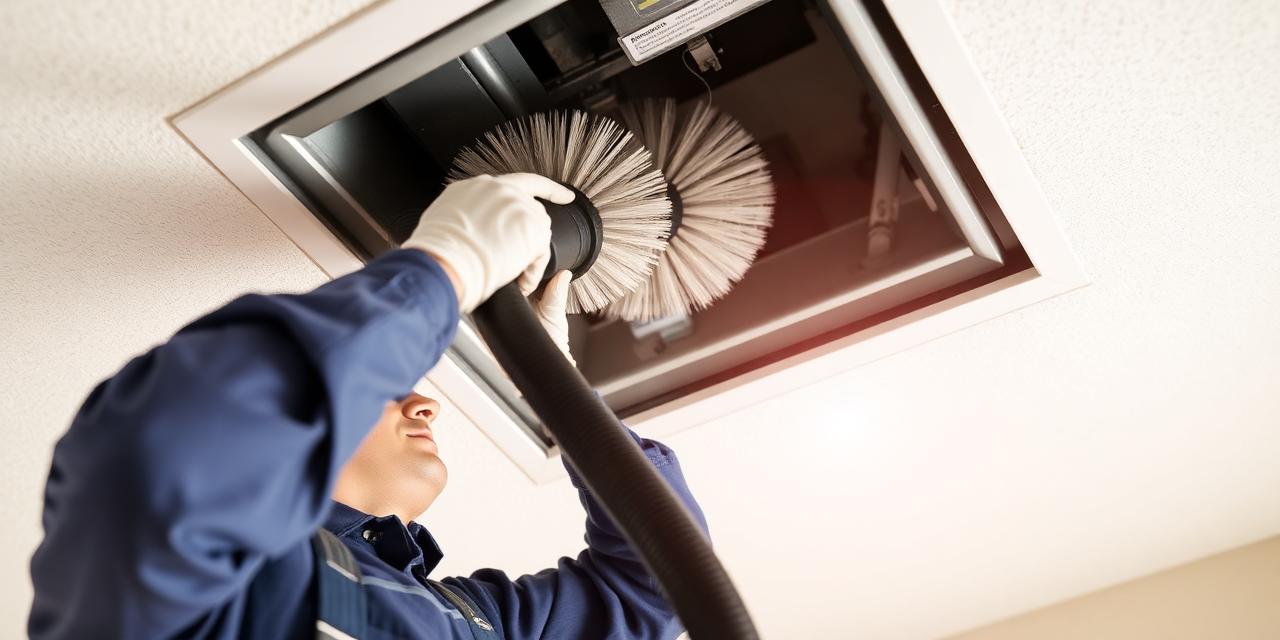
If you have pets, your air ducts are working harder than you realize. Hair, dander, paw-tracked debris, and pet-specific odors all end up in your HVAC system — and they accumulate fast. As lifelong dog owners and East Texas duct cleaning professionals, we want to give Longview pet households the honest guide to keeping indoor air clean when furry family members are part of the picture.
Why Pet Households Need More Frequent Cleaning
Pet hair alone isn't the main issue — it's the combination of factors. Cats and dogs constantly shed both hair and microscopic dander (skin cell flakes). Both materials are pulled into HVAC return air. Pet hair is large enough to get caught by filters; dander is small enough to pass through standard MERV 8 filters and accumulate in supply ducts. Pet-tracked outdoor debris (red Texas clay, pollen, grass clippings) adds to the load.
The result: pet-owning households typically need duct cleaning every 1-2 years rather than the standard 3-5. Multi-pet households should plan on annual cleaning, especially if you have shedding-heavy breeds like Labradors, German Shepherds, Huskies, or Persians.
Signs Your Pet Household Is Due
Watch for these pet-specific warning signs: pet hair visible in supply vent grilles or accumulating on registers; allergy symptoms (yours or guests') worsen indoors; pet odors persist throughout the house even after deep cleaning; furniture surfaces re-coat with pet hair within hours of cleaning; family members with asthma have more frequent flare-ups; and visible 'pet dander dust' on dark surfaces near vents.
If you have pets and haven't had a duct cleaning in 2+ years, you almost certainly have visible accumulation in the duct system. The volume of material we extract from pet households consistently surprises owners.
Pet Odor: What Cleaning Removes and What It Doesn't
Standard duct cleaning physically removes accumulated pet hair, dander, and dust. This eliminates the bulk of the source material for pet odors. However, some pet odors are bonded to the duct interior surface — particularly in homes with cats (whose urine particulates penetrate deeply) and in homes where pets have had accidents near return grilles.
For these cases, we recommend adding antimicrobial sanitizing to standard cleaning. The electrostatic fog penetrates surfaces that mechanical brushing can't reach and chemically neutralizes odor-causing compounds. Most pet households see dramatic odor improvement within hours of treatment.
Filter Strategy for Pet Households
Filter choice matters more for pet households than typical homes. Standard MERV 8 filters catch large particles like pet hair but pass most dander through. We recommend MERV 11 filters for pet households — they catch dander while still allowing adequate airflow. MERV 13 filters catch even more but can restrict airflow in older HVAC systems, so check with your HVAC tech before going higher.
Change filters every 30-45 days for pet households (vs every 60-90 for non-pet homes). Pet hair clogs filters dramatically faster than typical household dust.
Dryer Vent Cleaning Is Especially Critical for Pet Households
Pet hair has a way of attaching to fabric and surviving through wash cycles. It ends up in your dryer lint trap, dryer vent line, and exterior exhaust. Pet households produce dryer vent lint accumulation 2-3 times faster than typical homes. We recommend annual dryer vent cleaning for any household with shedding pets — bundled with annual HVAC cleaning makes the most sense logistically.
Managing the Cleaning Day With Pets
Plan ahead for cleaning day with pet considerations: confine pets to a back bedroom or kennel them in a quiet area; the negative-pressure vacuum equipment is loud and stressful for most pets; some technicians can apply pet-friendly antimicrobial products at request — let us know in advance; if your pet has anxiety triggers around strangers in the home, board them for the day; and walk dogs before our arrival so they're calm and less likely to bark during the visit.
We've worked in homes with everything from goldfish to large pythons to multi-cat households — we love animals and treat them with respect.
Aging Pets and Indoor Air Quality
Older pets often develop respiratory issues that are aggravated by poor indoor air quality. Just as we care about indoor air for our children and elderly family members, our senior pets benefit from cleaner air. Several of our recurring customers schedule duct cleanings specifically because their senior dog or cat has developed breathing issues that improved after the first professional cleaning.
Multi-Pet Household Strategy
Households with three or more pets should follow a structured maintenance schedule: annual full duct cleaning; quarterly DIY vent register vacuuming; MERV 11 or higher filters changed every 30 days; HEPA air purifiers in bedrooms; dryer vent cleaning annually; and consider whole-home air filtration installed at the HVAC system. The combined cost is modest and the air quality difference is dramatic — especially for family members with allergies.
Free Quote for Pet Households
Call (903) 555-0300 for an honest quote on duct cleaning for your pet household. We'll factor in your specific situation — number of pets, breeds, age of HVAC system, current symptoms — and recommend the right approach. No high-pressure upselling, just straight talk from a NADCA certified team that genuinely loves animals as much as you do.
Ready to schedule?
Call now for honest pricing and same-week service across East Texas.
Call (903) 555-0300